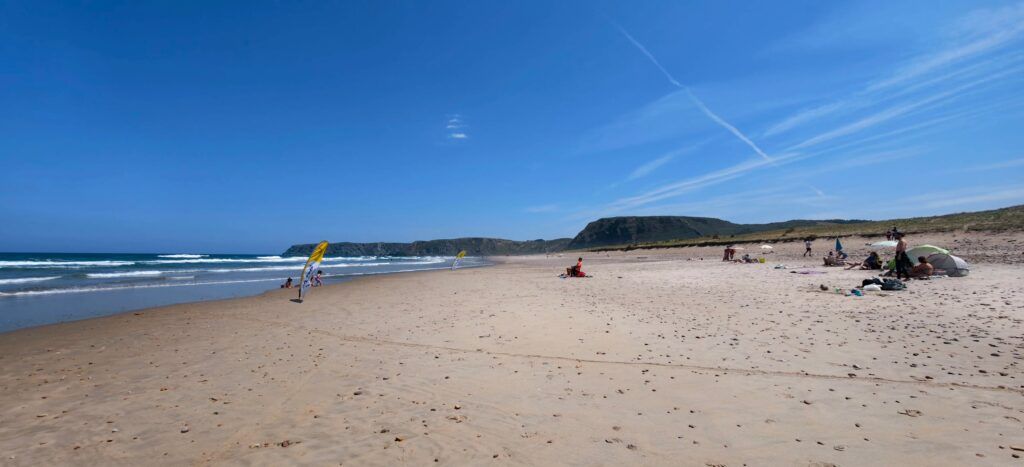
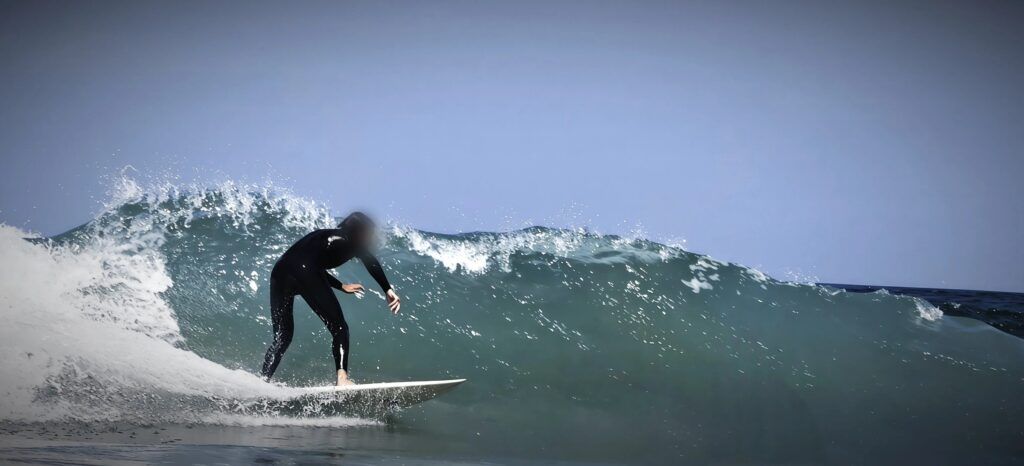
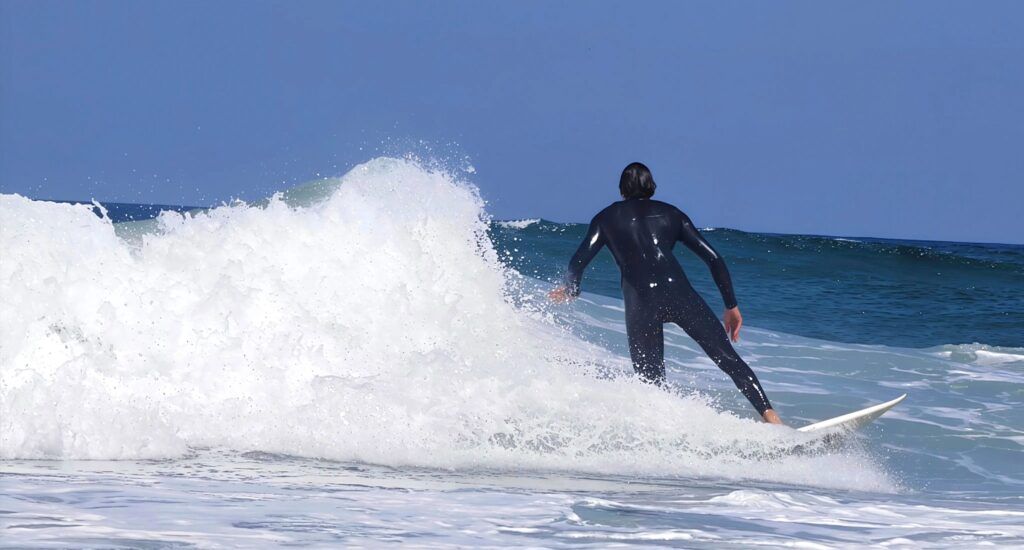
Two kilometres of sand, the best preserved dune field in Asturias and a north-west swell: a beach that breaks its waves by the book, with a low Iribarren number and witnesses.
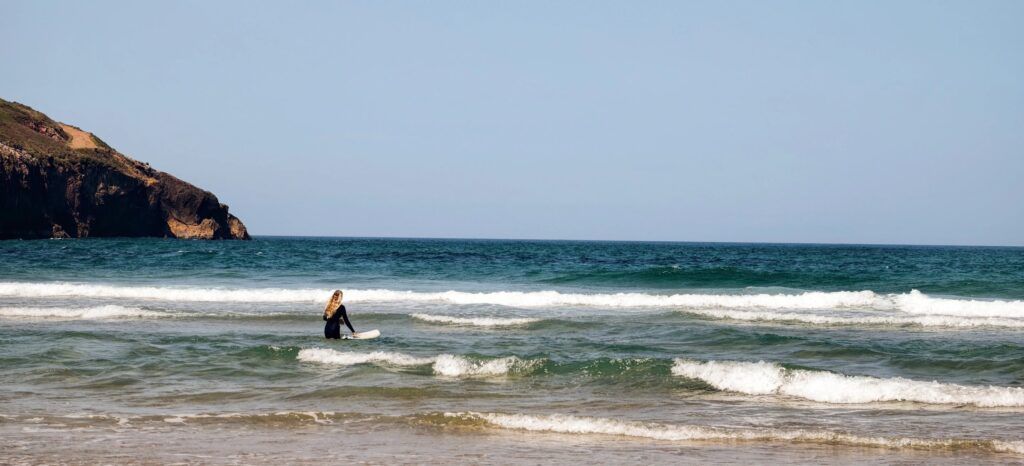
Xagó is the westernmost beach of the council of Gozón, about 6 km from Avilés, on the western edge of Cabo Peñas. Two kilometres of golden sand, no promenade, and a dune complex of roughly 35 hectares that the regional inventories describe as the best preserved in Asturias.
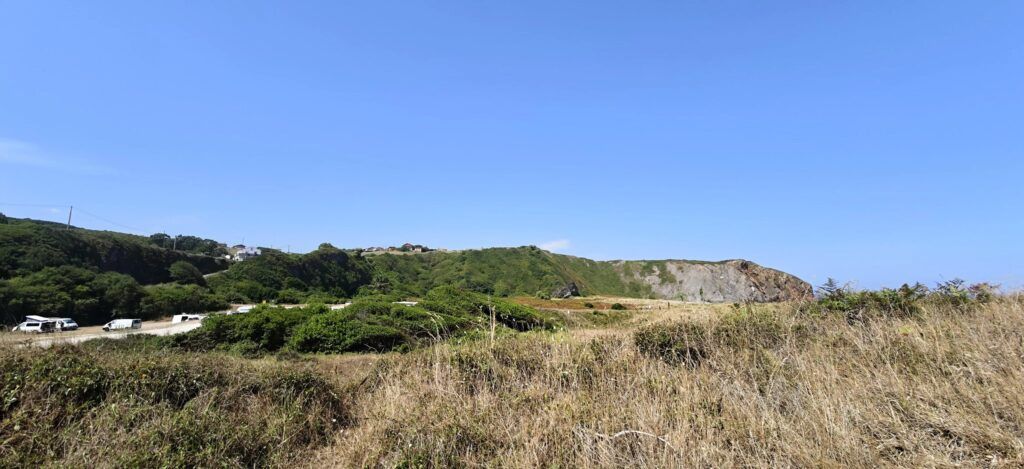
The beach sits inside the Paisaje Protegido del Cabo Peñas, declared by Decree 80/1995. The dune field does not have one shape but three: dune ridges with a soft profile, pyramidal dunes and linguiform dunes, all of them worn down over the years by sand extraction for aggregates.
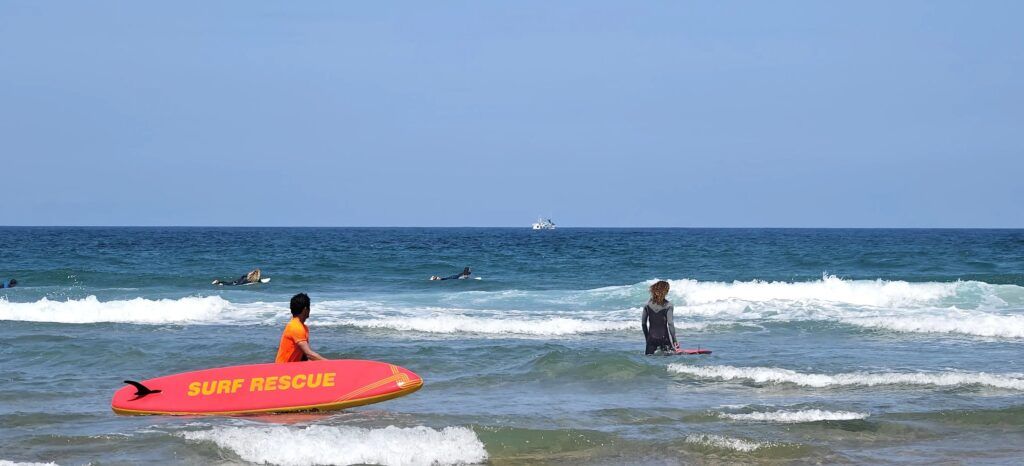
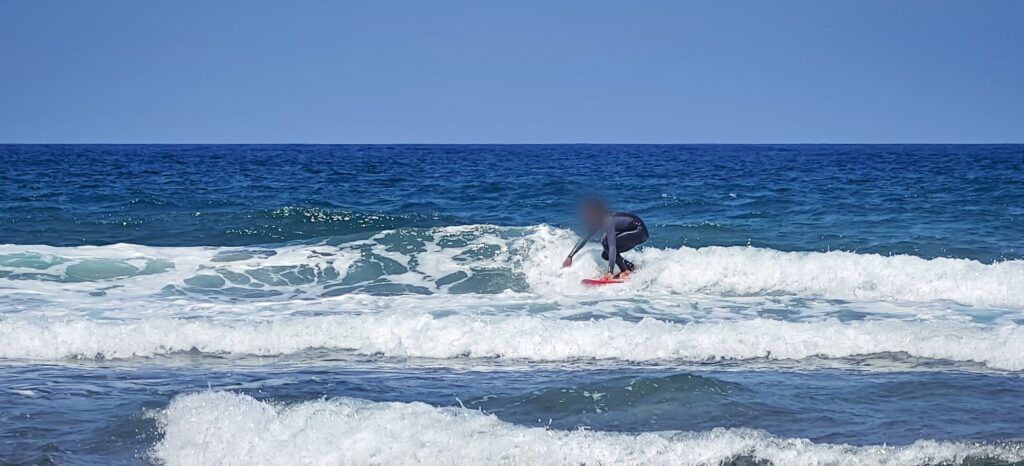
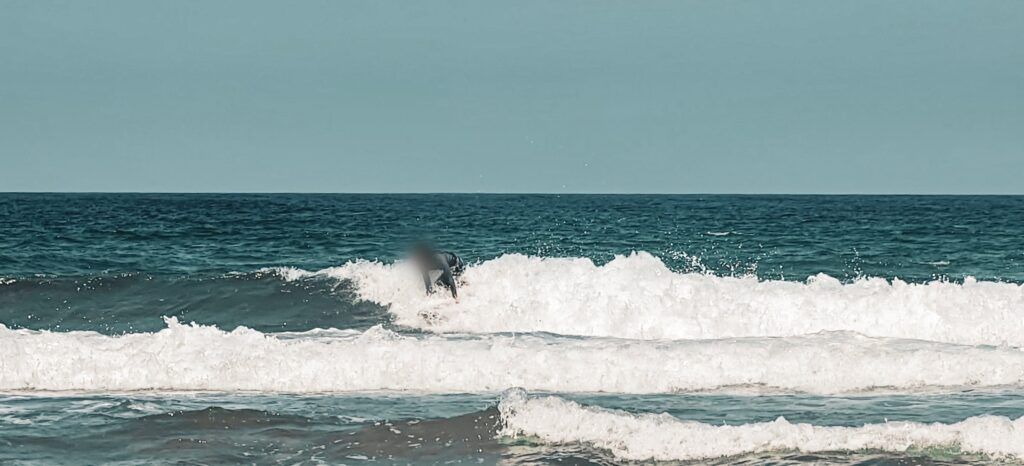
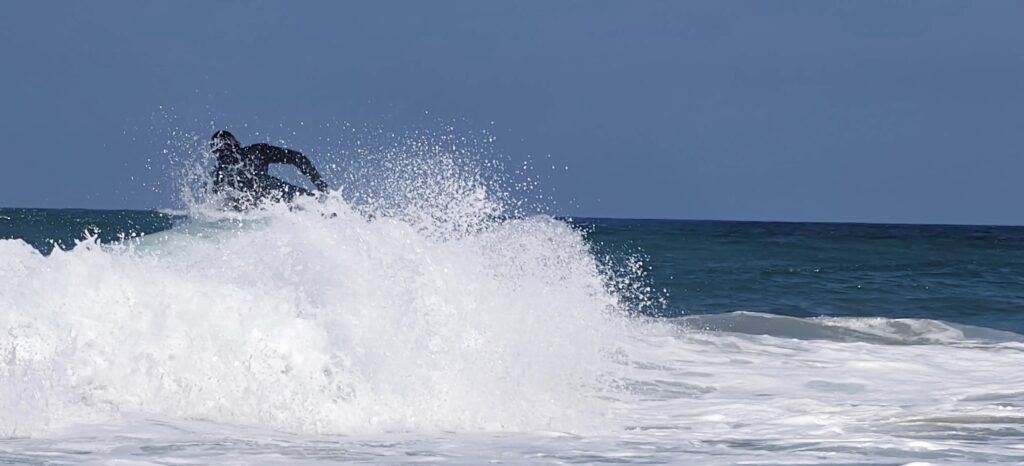
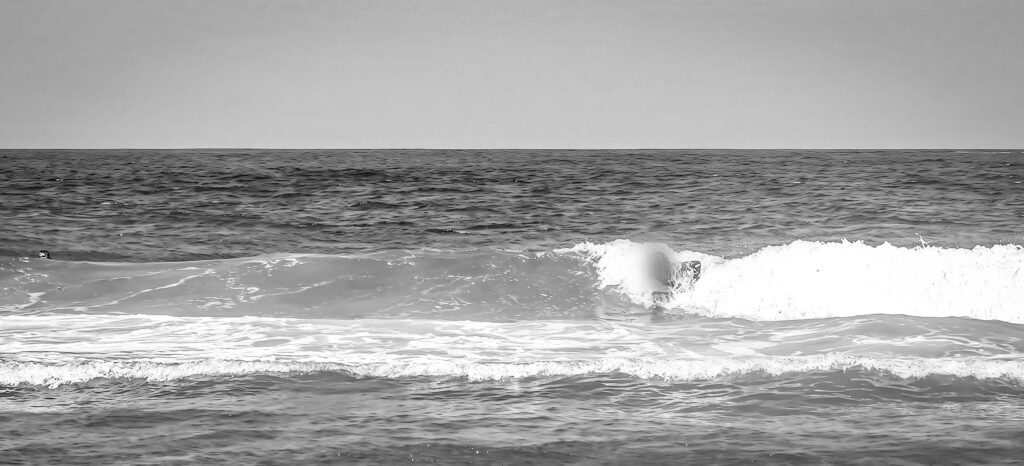
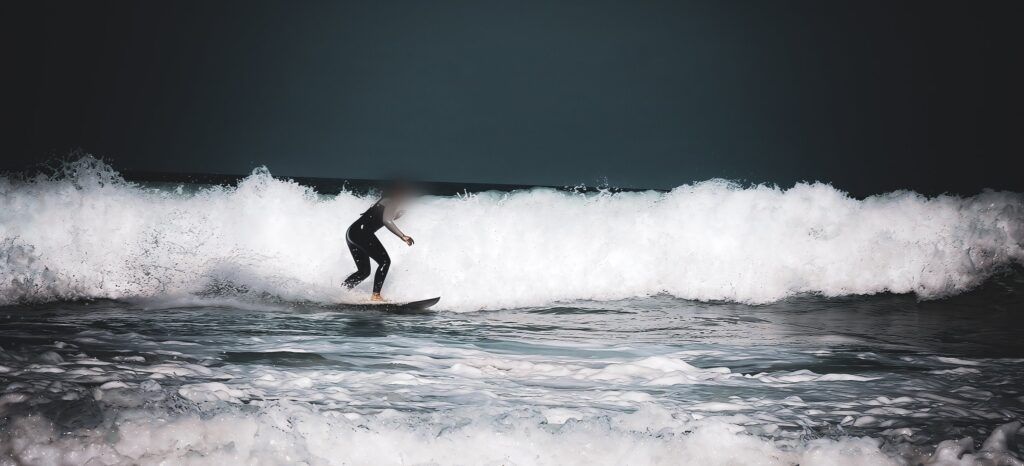
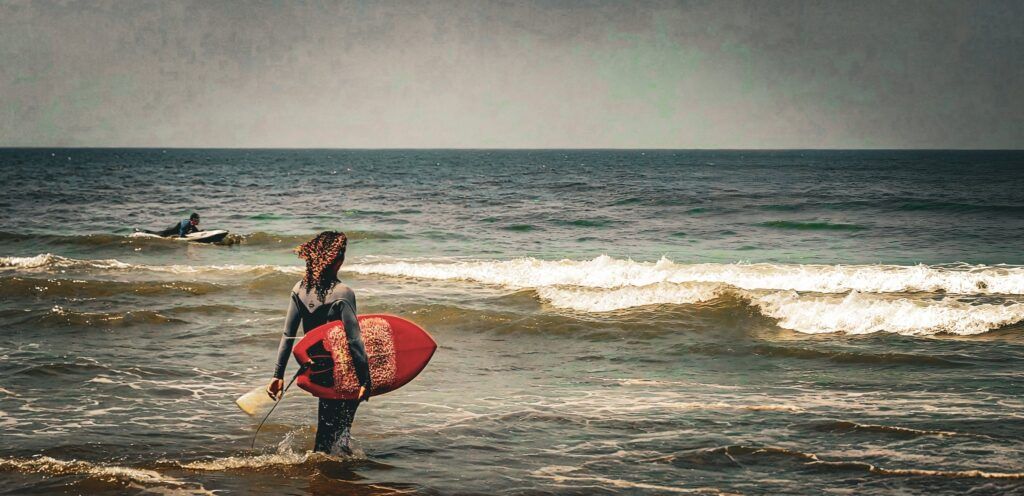
We came for a beach day. The sea had other plans and supplied surfers, so half of this proof is a coastal engineering lecture with actors.
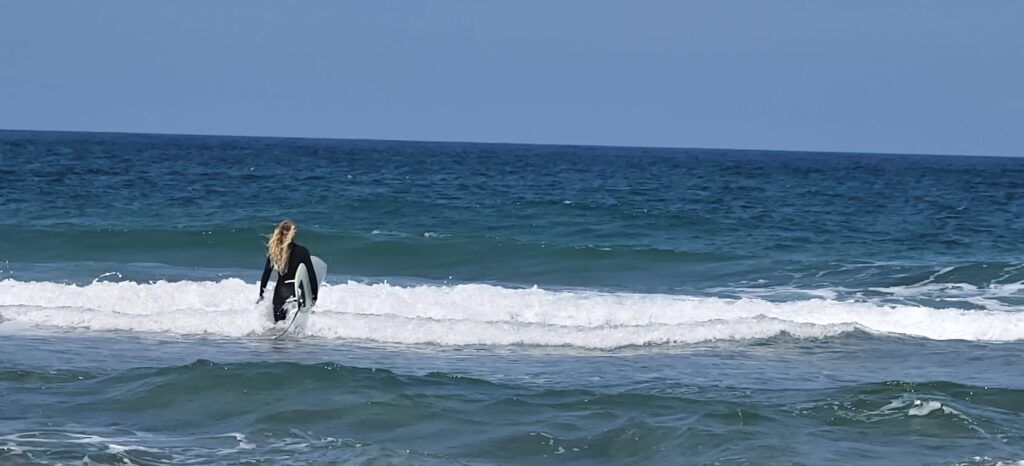
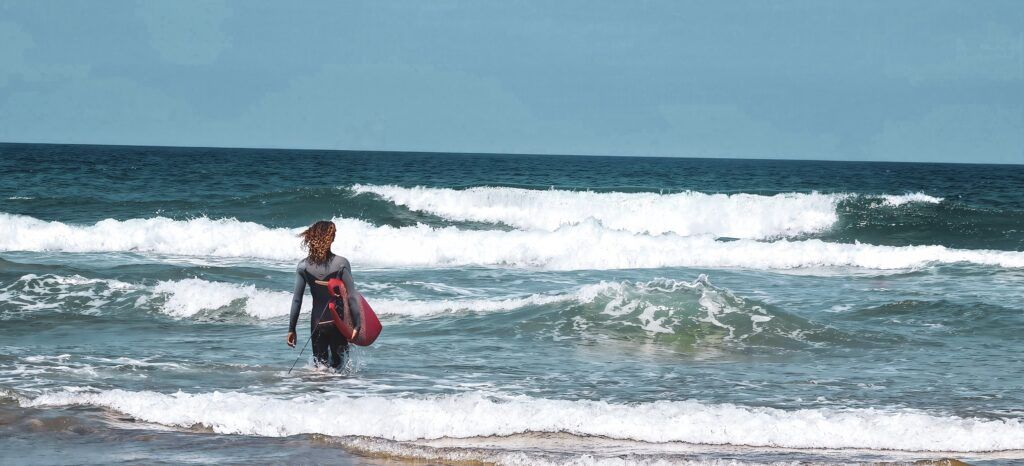
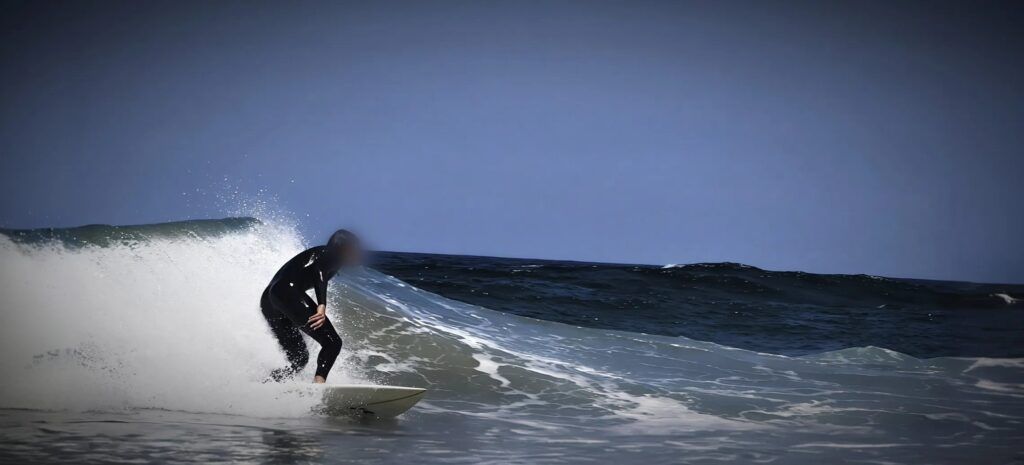
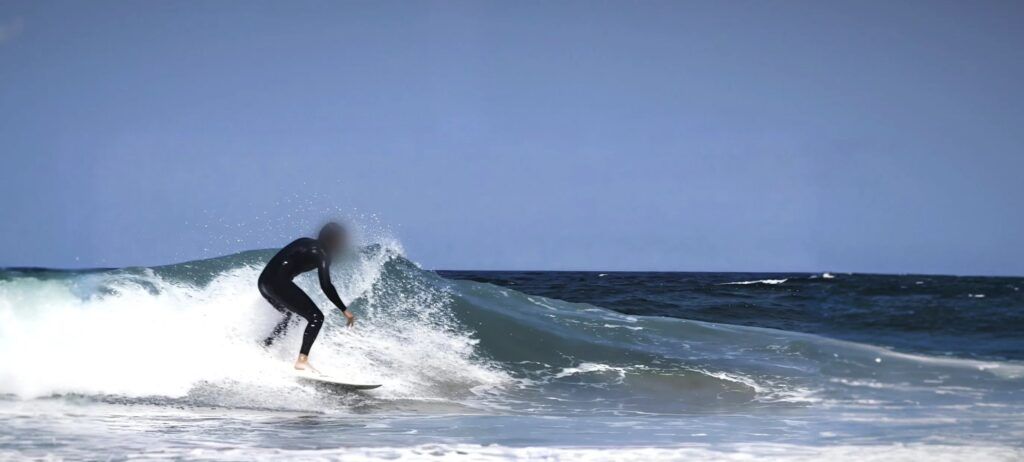
The useful number here is the Iribarren number, ξ = tan β / √(H/L): the beach slope divided by the square root of the wave steepness. Ramón Iribarren Cavanilles (1900-1967) introduced the criterion with Nogales in 1949, and Jurjen Battjes named the parameter after him in 1974. Below about 0.4 the wave spills, between 0.4 and 2 it plunges, above 2 it surges or collapses. Xagó is gently sloping sand, so ξ stays small and the waves spill: long, patient white water, exactly what a beginner wants and exactly what these frames show.
We do not know the surfers in this proof: their faces are blurred, and anyone who recognises themselves and would rather not be here only has to write, and the frame comes down. The dunes were not asked.
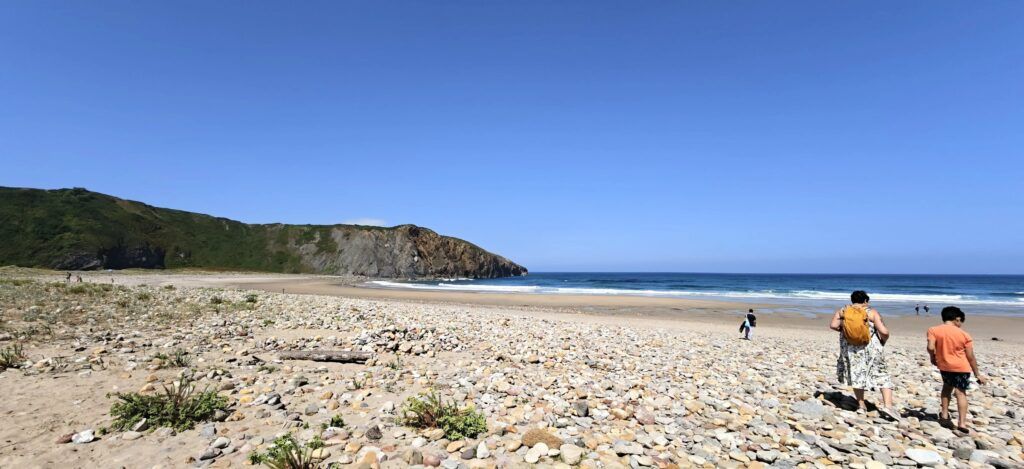
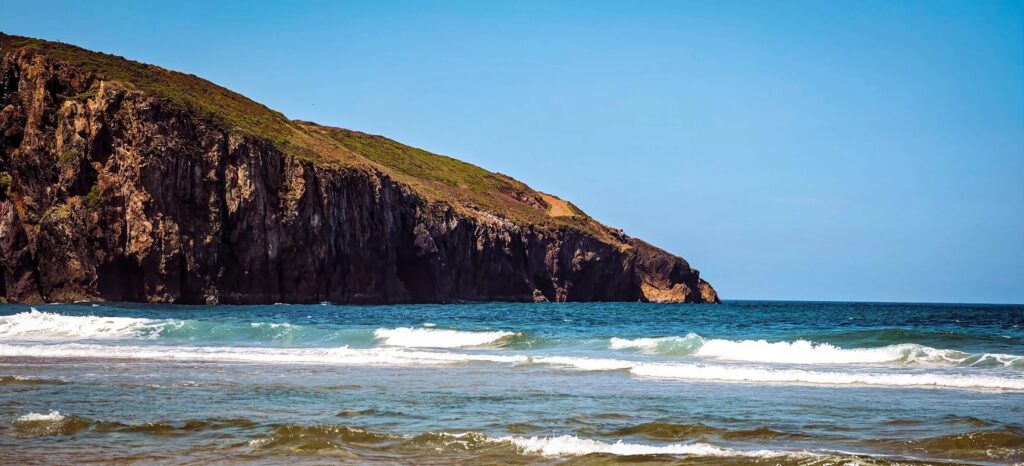
Boundary conditions. Two kilometres of sand, one swell arriving from the north-west, and everything else follows from that.27984-2301Sorted by energy. Cobbles at the top, sand below. The sea files its material by size and never gets the order wrong.27984-6973Thirty-five hectares. The best preserved dune field in Asturias, held in place by roots and, when the roots give up, by signposts.27984-5861Cabo Negro. Dark slate, hence the name. The paragliders launch from up there. We stayed at sea level.27984-4948Insurance policy. Strong swell, a long beach, and someone whose entire job is that the proof ends well.27984-4796Initial conditions. Every ride starts with the boring part: walking out against everything that is coming in.27984-1543Scale. One surfer, one cape, and the honest ratio between them.27984-1450Queueing theory. Three lines of white water, arriving in order, every one of them to be dealt with.27984-2389Up. The instant the problem stops being about paddling and starts being about balance.27984-1395Spilling breaker. Gentle slope, low Iribarren number: the wave crumbles slowly from the crest instead of throwing itself forward.27984-6335Energy dissipation, made visible. Everything the wave carried across the Atlantic, spent here in about a second.27984-5576Greyscale. Take the colour away and the geometry is left: one horizon, one wave, one person.27984-3822High contrast. The sky was not this dark. The wave really was this white.27984-9332Two strategies. One walks, one paddles. Same destination, different cost functions.27984-2314The drop. Feet first, doubts later.27984-2514Change of variable. Goes in straight, comes out curved.27984-2289The waiting room of the barrel. Open water still ahead, and still time to decide.27984-6698Exit. The wave keeps its energy, he keeps the ride. Both of them end up on the sand.27984-9213