The Parque Biológico da Serra da Lousã sits on the slopes of the Serra da Lousã, in Miranda do Corvo, a short drive from Coimbra. It opened in 2009 and describes itself as the largest collection of Portuguese wildlife: more than 300 animals from over 60 species, most of them native to the country.
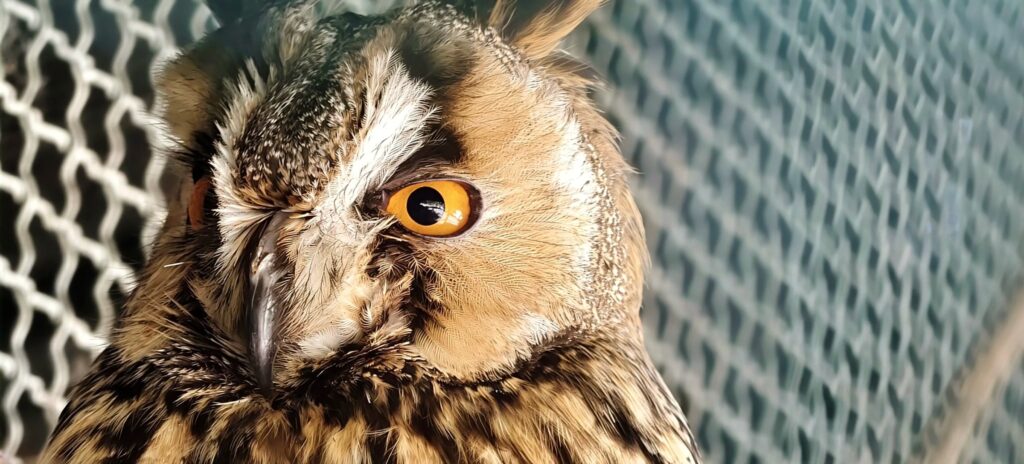
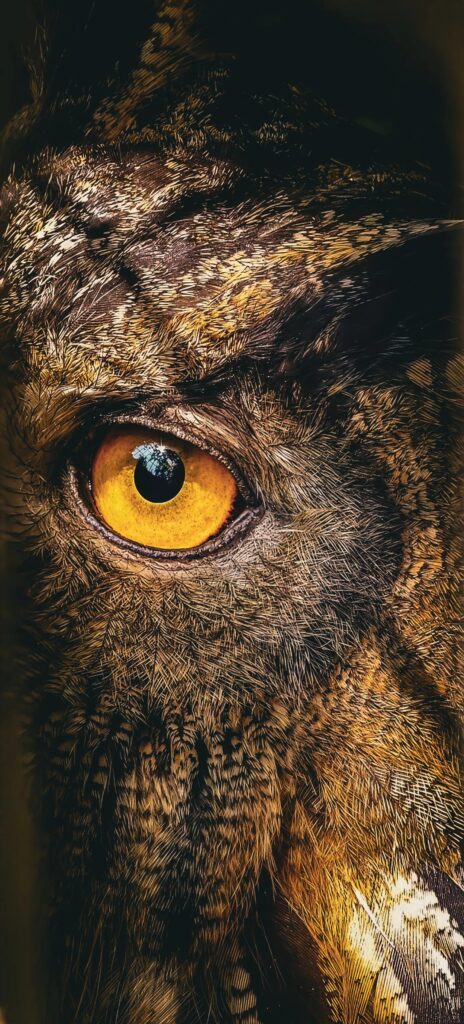
The wild section is the reason to come. Iberian wolves, brown bears, lynx, wild boar and several kinds of deer live in enclosures built into the forest, so you walk under trees rather than past concrete. Many of the birds of prey can no longer survive in the wild, which is why you can stand a metre away from an eagle-owl and watch it decide whether you are worth its attention.
Beyond the animals, the park includes an educational farm with Portuguese livestock breeds, a maze made of fruit trees, a rose garden and small museums on cooperage and traditional crafts. It is run by Fundação ADFP, a social foundation, and part of its mission is employing people with disabilities in the daily care of the animals.
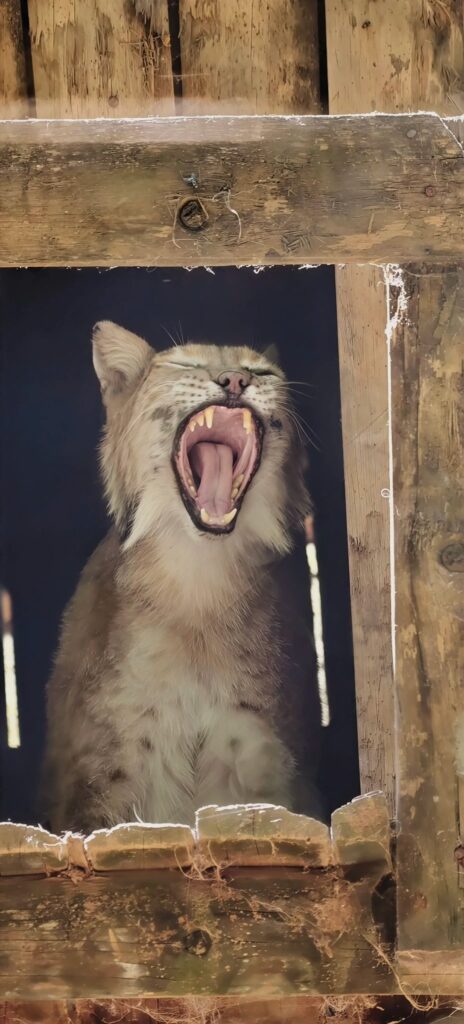
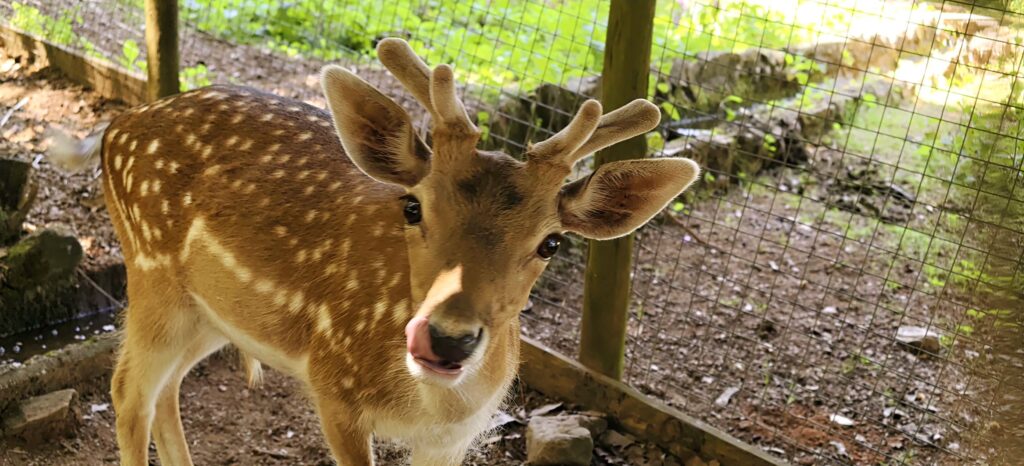
We visited at the end of May 2026, when the deer were still growing their antlers in velvet, the lynx was more interested in yawning than hunting and the farm was full of new kids and piglets. These frames are the result: close portraits, mostly through fences, of animals that clearly knew they were being watched.
Plan at least half a day. The paths are outdoors and follow the hillside, so wear comfortable shoes.
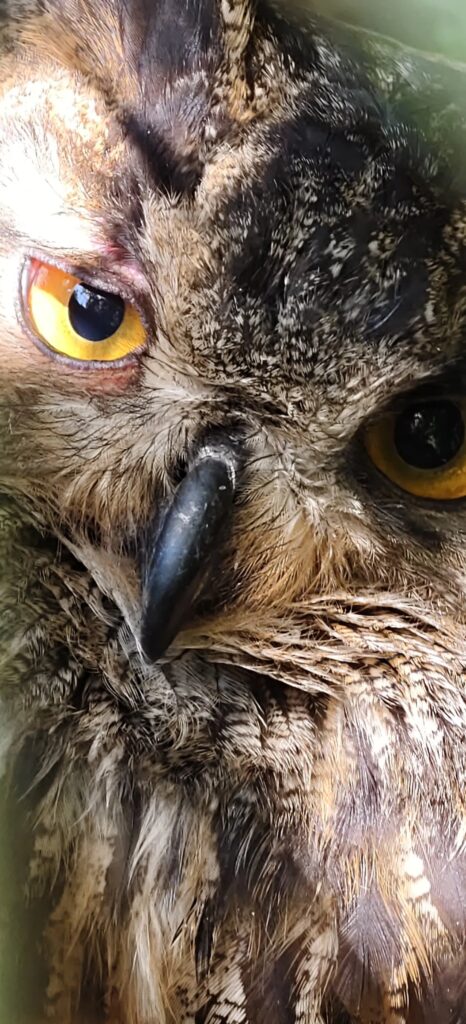
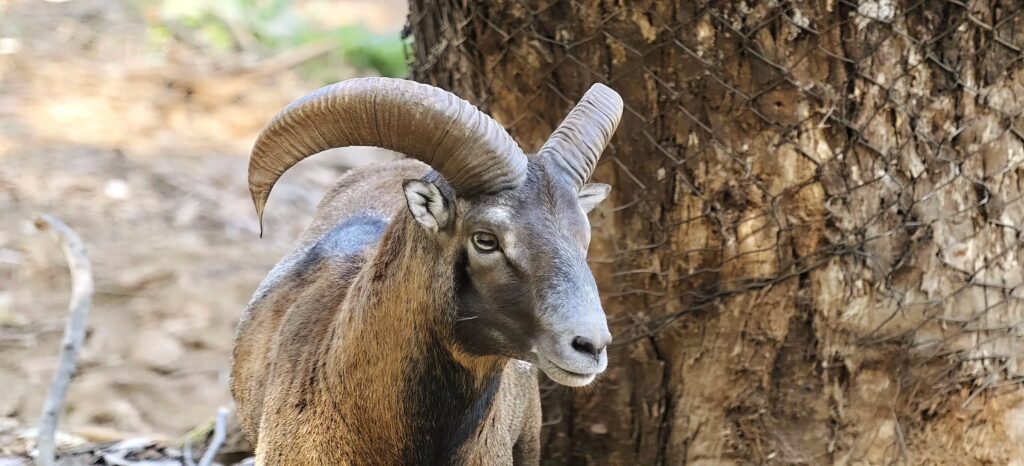
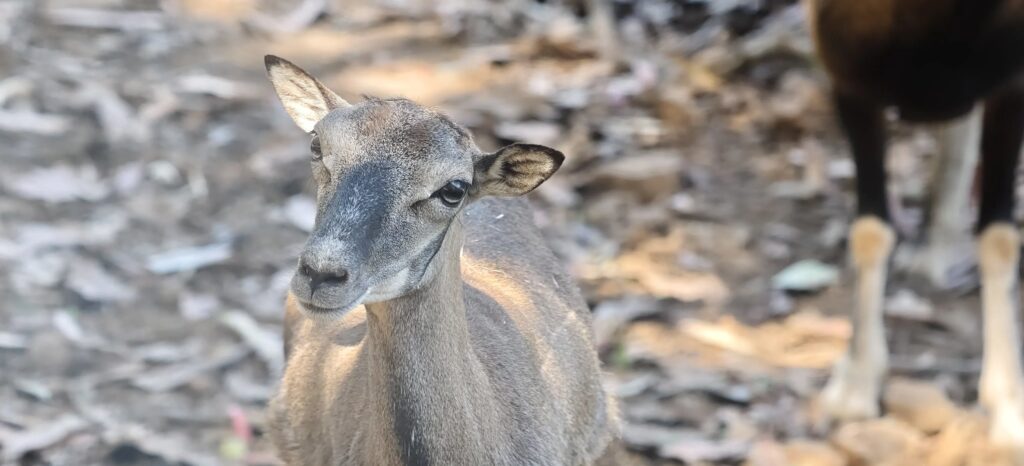
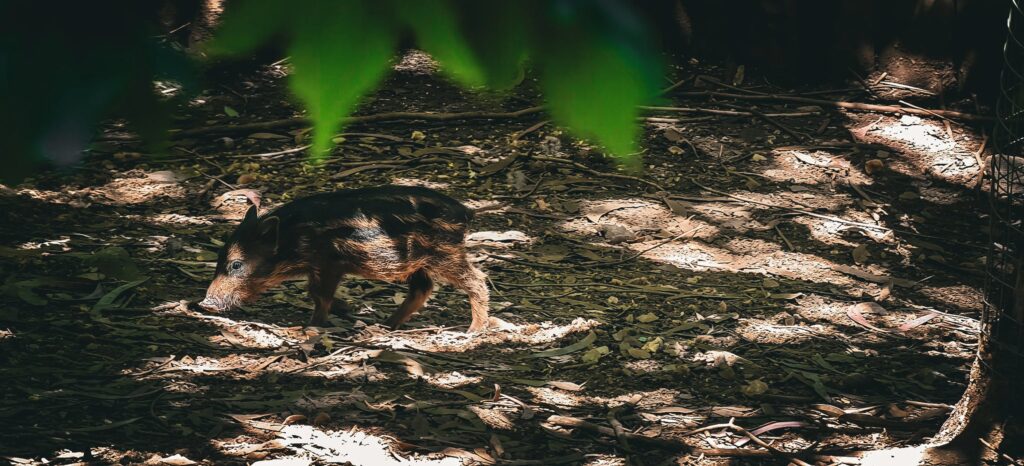
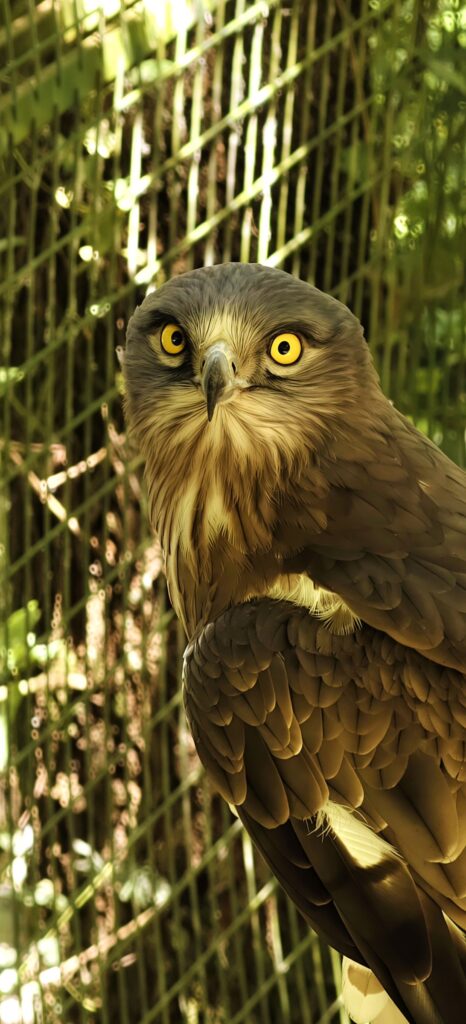
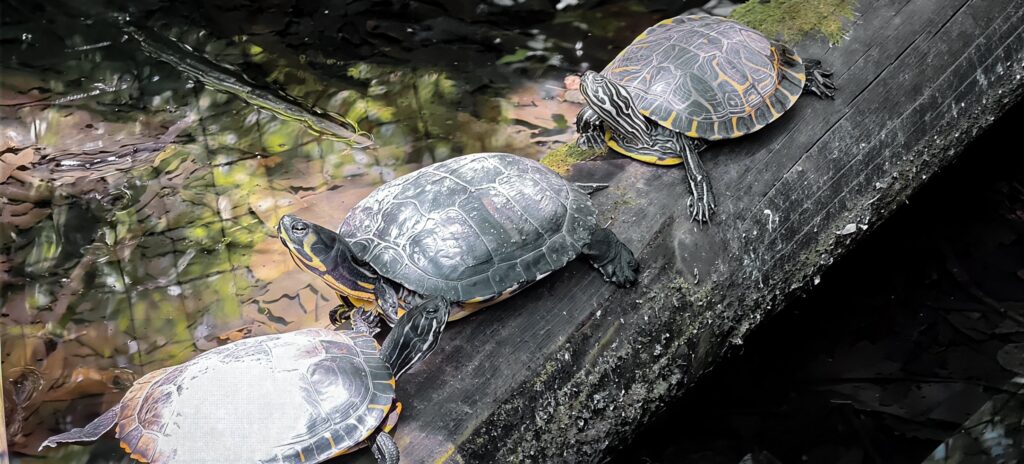
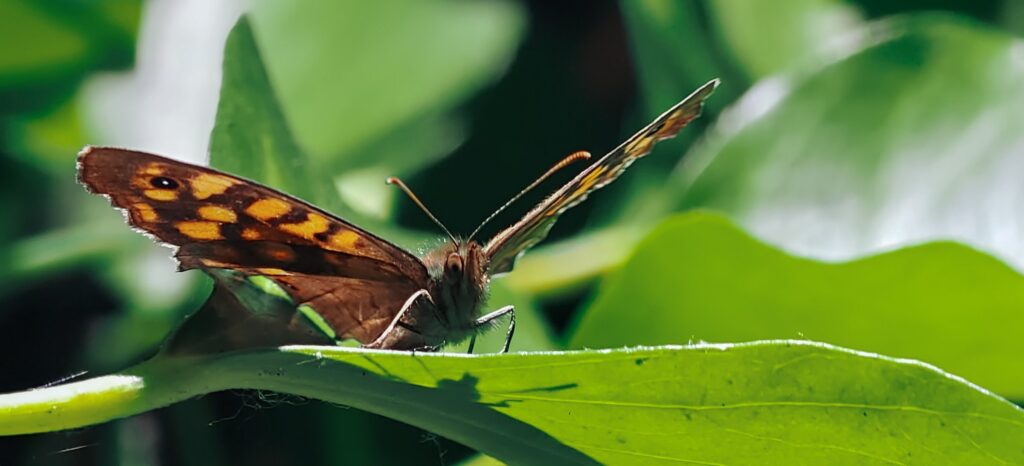
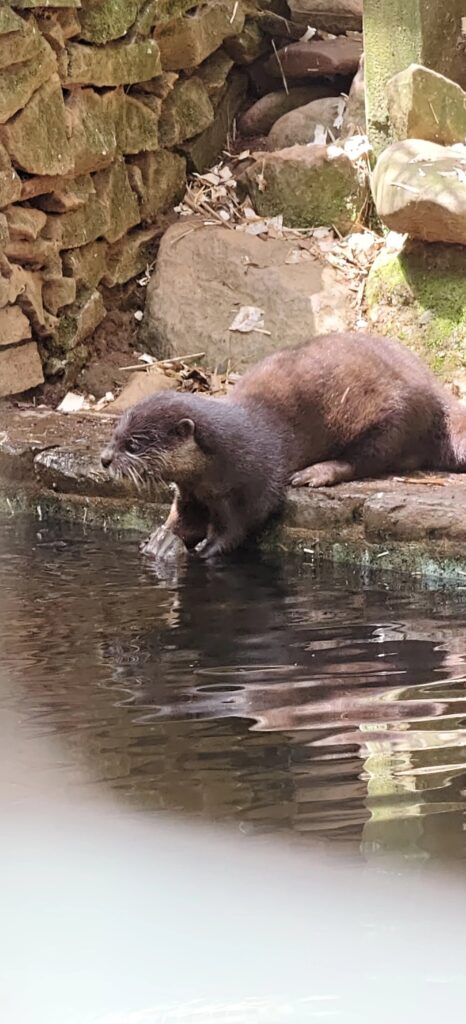
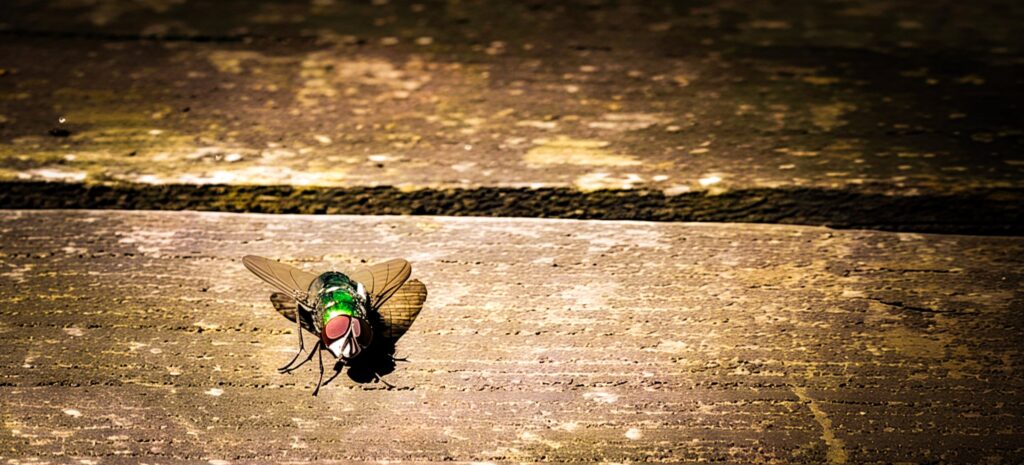
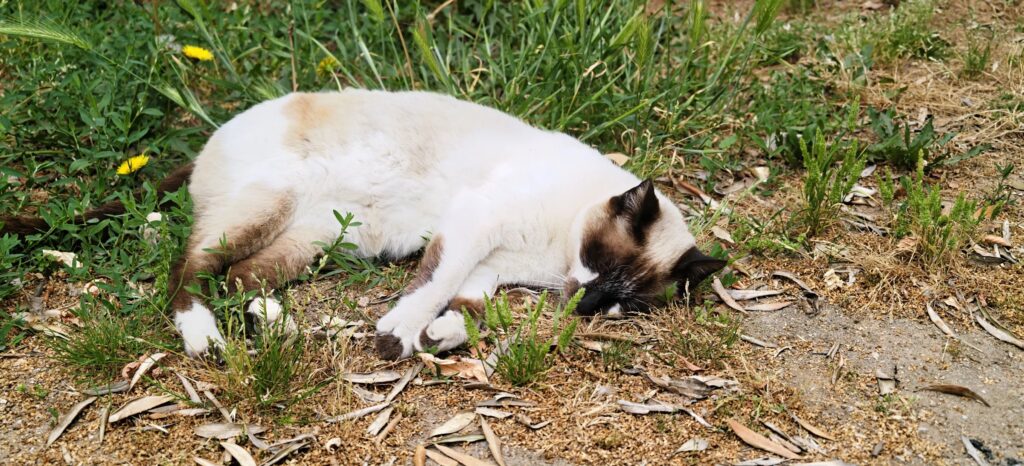
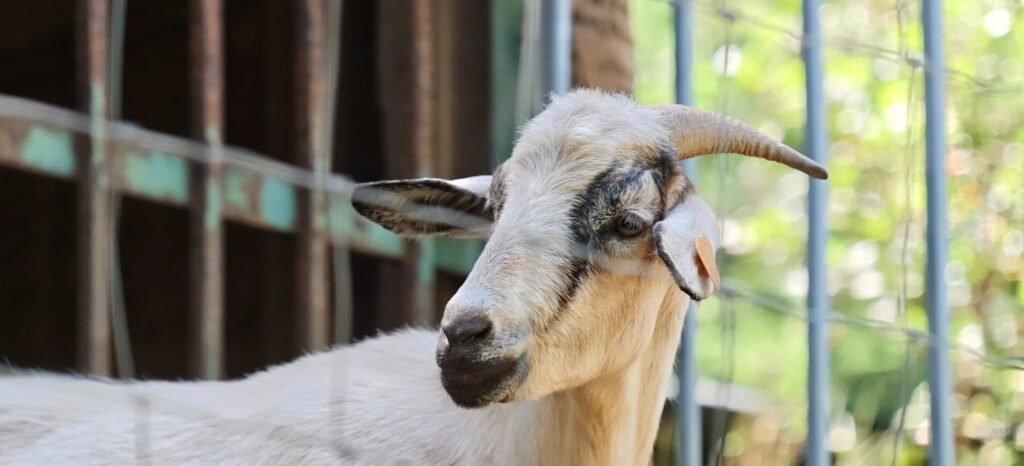
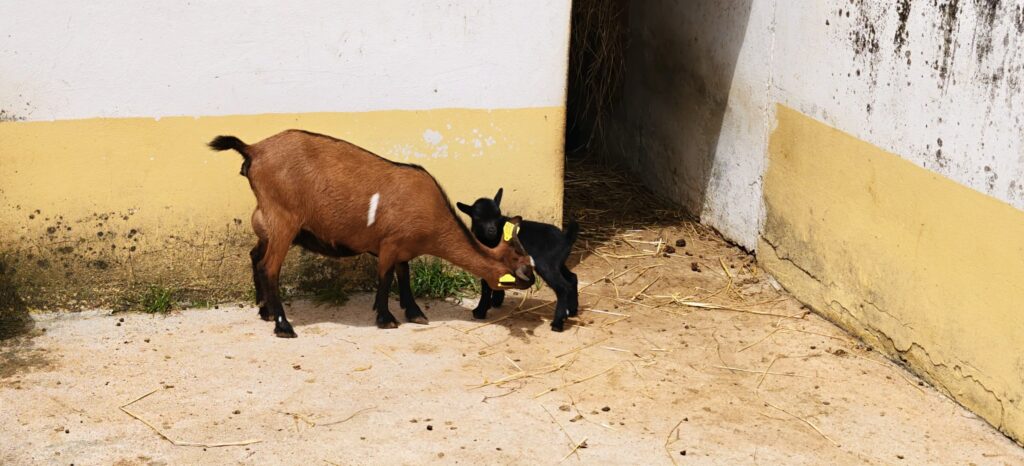
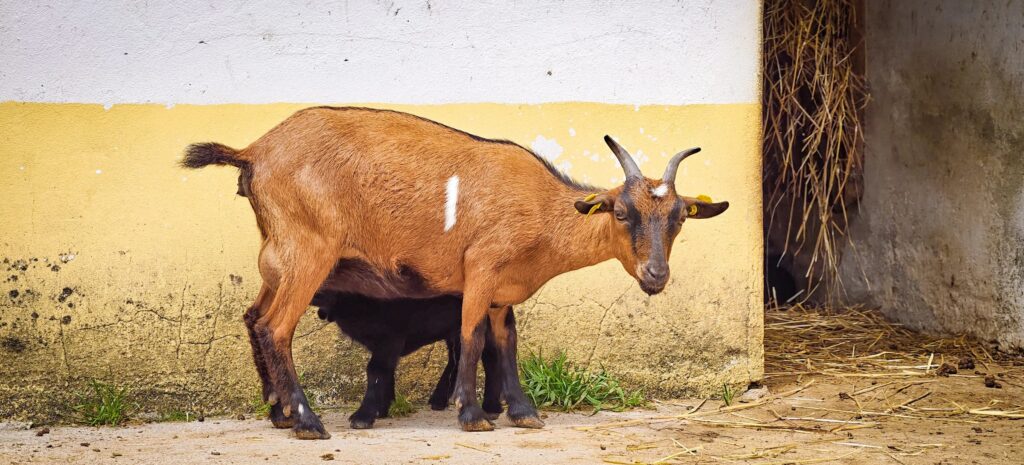
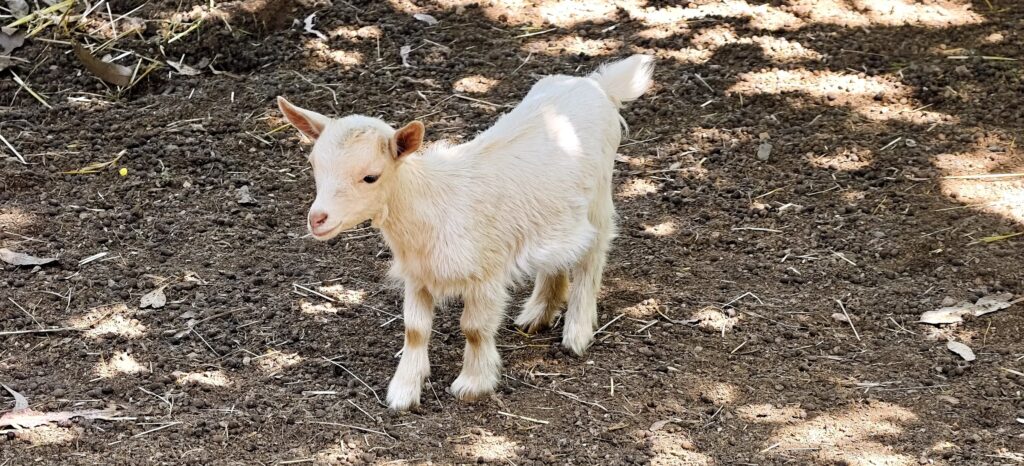
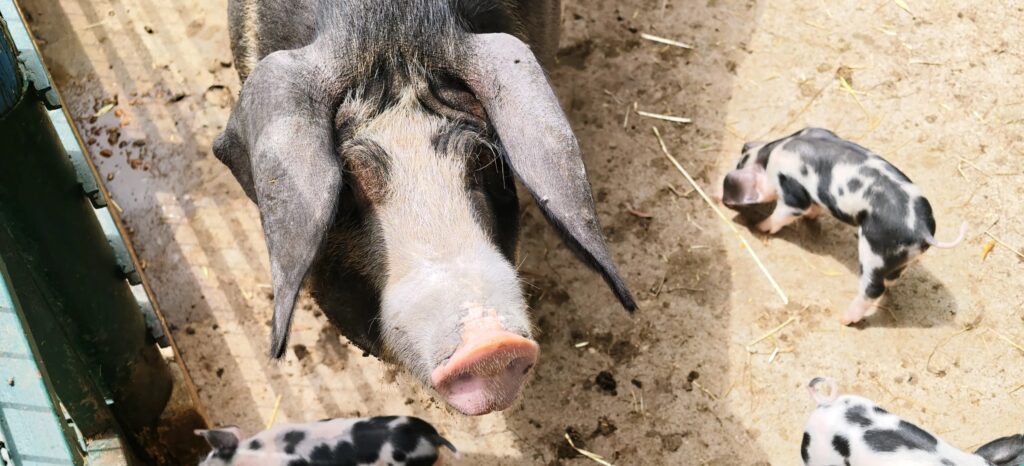
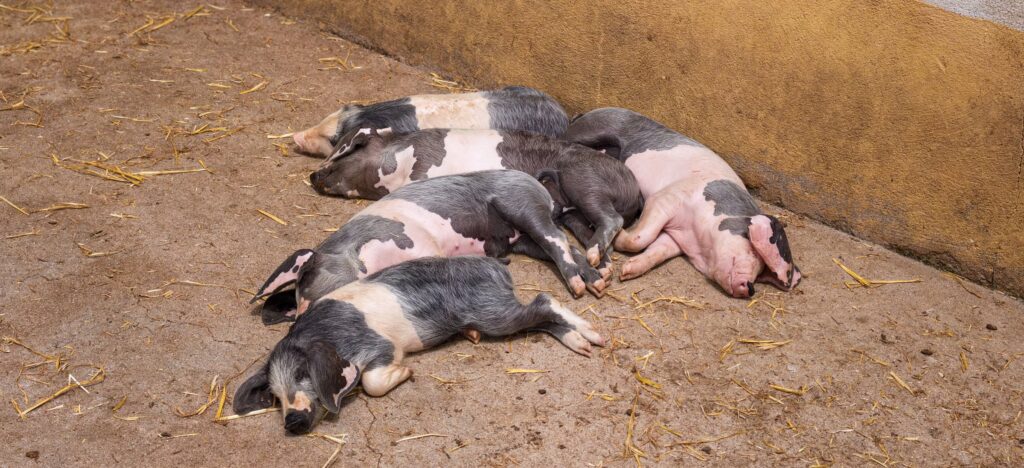
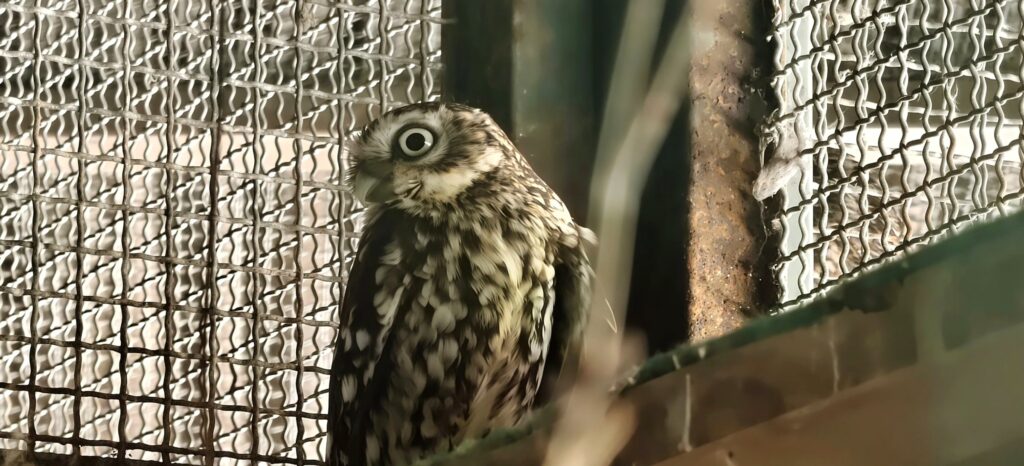
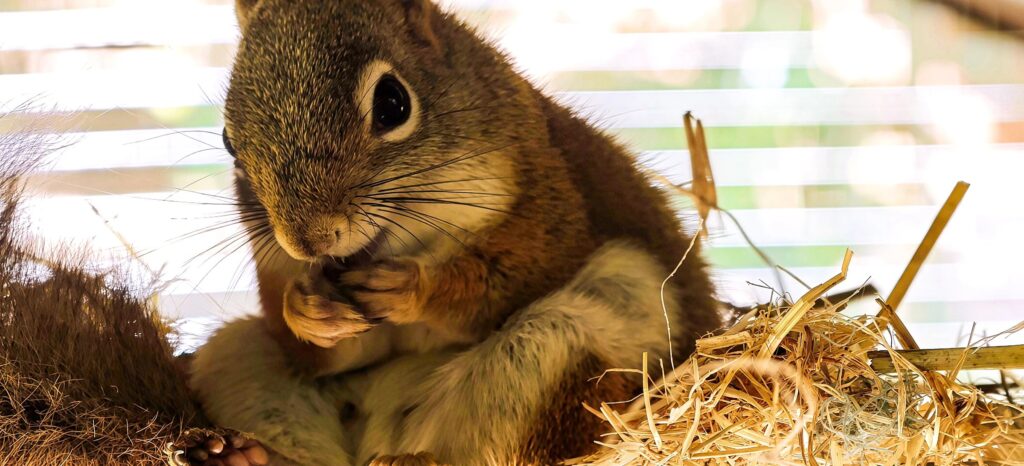
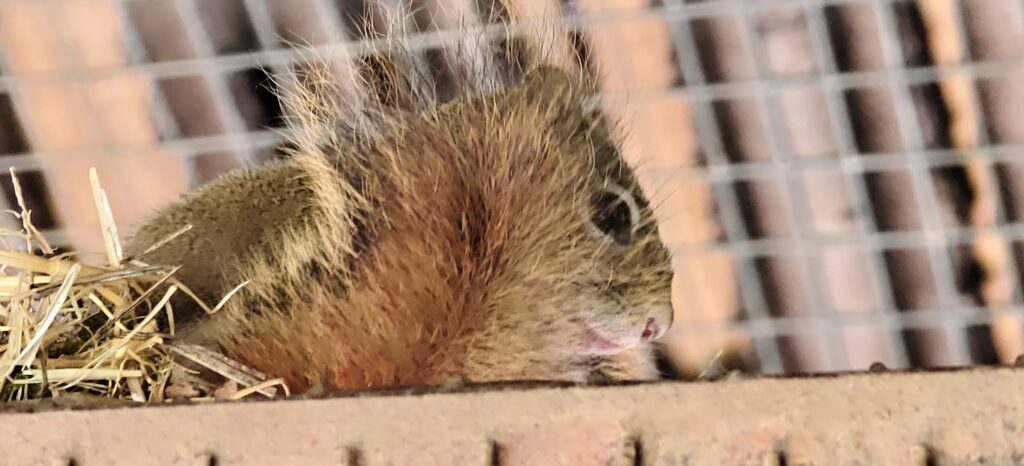
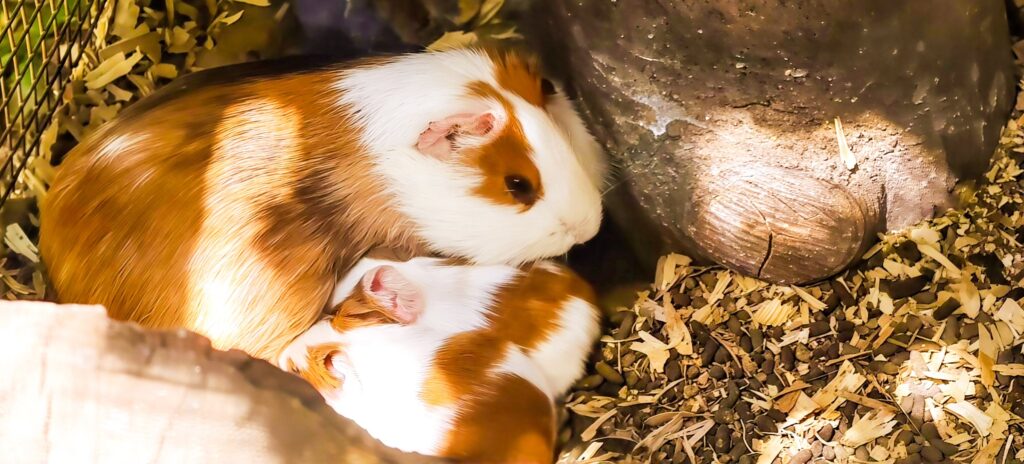
Eurasian eagle-owl. One of the largest owls in the world, recognisable by its orange eyes and ear tufts. It hunts mainly at night.73924-2958Mouflon ram. A wild sheep. Males grow heavy, curling horns that keep growing throughout their lives.73924-3074Mouflon ewe. Females carry small horns or none at all, and live in groups with their young.73924-3736Lynx, mid-yawn. Short tail, tufted ears and a ruff around the face. This one had no plans for the afternoon.73924-7369Fallow deer. Males regrow their antlers every year; while growing, they are covered in soft velvet.73924-7972Wild boar piglet. Piglets are born with pale stripes along the body that fade during their first months.73924-8221The wink. Same owl, second opinion.73924-4325Short-toed snake eagle. A large head, owl-like yellow eyes and a diet made mostly of snakes and other reptiles. In the wild it spends the winter in Africa.73924-8191Pond sliders. A North American turtle. Released pets have become an invasive species in Iberian rivers and ponds.73924-7504Speckled wood. A woodland butterfly that loves dappled light. Males defend their own sunny patch against rivals.73924-3474Eurasian otter. Native to Portugal’s rivers. Semi-aquatic and mostly a fish-eater, with whiskers that help it hunt in murky water.73924-9271Greenbottle fly. Not on the park’s list of attractions, but it posed better than most.73924-4303Cat, off duty. A colourpoint coat: darker face, ears, paws and tail. Asleep in the one sunny spot on the path.73924-9222Goat. Watching the visitors as carefully as they watched it.73924-5549Iris. The eye of an eagle-owl is fixed in its socket, so it turns its whole head to look around.73924-5990Goat and kid. Late May is kid season on the farm.73924-4159Lunch break. The kid had other priorities than posing.73924-8131White kid. A few weeks old and already curious about everything.73924-3596Sow and piglets. Ears like curtains, and a litter of spotted piglets exploring the pen.73924-8354Siesta. Five pigs, zero interest in visitors.73924-9702Little owl. Small, round and permanently unimpressed. Its scientific name, Athene noctua, comes from the goddess Athena.73924-7272Red squirrel. Caught mid-snack, whiskers first.73924-3991Nap in progress. Same squirrel, fewer plans.73924-4576Guinea pigs. Domesticated in the Andes thousands of years ago. Here, experts in huddling.73924-3741